

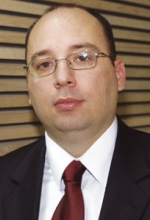
 XPRIMM: How do you comment the results achieved by your market in 2014 in terms of development and profitability?
Hrvoje PAUKOVIC: According to cumulative market data of the Croatian Insurance Bureau for Q4/2014, the 25 insurance companies operating in the Croatian insurance market generated €1,122m in Gross Written Premiums, a decrease of 5.7% on Q4/2013.
The Non-Life insurance sector GWP, accounting for 69.2% of the total market premium, declined 9.4% on the previous year to €776m, reflecting a sharp downturn in MTPL, the largest class of Non-Life business, as a result of the liberalisation of the Croatian MTPL market.
The Life insurance sector GWP amounted to €345.7m and continued the upward trend with a 3.9% growth. Life insurance accounts for 30.8% of the total market premium (compared to 27.9% last year). The Life market shows a steady upward trend since 2012, certainly giving rise to optimism for further growth and development of life insurance in the next term. Against the background of negative macroeconomic indicators since the beginning of the crisis, decreasing personal consumption and GDP, this moderate but steady growth shows rising consumer awareness and indicates that consumers recognize life insurance as a safe and attractive savings product with the added value of insurance protection to secure an adequate retirement income. Therefore, further growth is expected and the outlook for life insurance business is positive.
XPRIMM: Which are the most challenging aspects of the insurers' activity, possibly in need of further improvement? What are the expected measures in this regard?
H.P.: The Croatian insurance industry is facing several challenges. The long-lasting financial crisis and the overall reduction of household income and consumer consumption in Croatia have weighed heavily on the total market premium for years. After 12 quarters of GDP decline, the first-quarter 2015 GDP showed a modest growth. If this encouraging trend continues, it will certainly stimulate a gradual recovery of the insurance market.
XPRIMM: The motor insurance segment was affected, in the entire CEE region, by a highly competitive environment leading to an aggressive price war and a scarce profitability of the segment. Which is the current situation in your market in this respect?
H.P.: In 2014, insurance business was significantly impacted by the already mentioned liberalisation of the motor third party liability insurance market that resulted in a sharp downturn in MTPL market premium. According to cumulative Q4/2014 data, the MTPL GWP amounted to €319m and decreased 18.3% compared to the same period the year before. These figures reflect the intense competition between the insurers and the declining MTPL premium rates. Against this background, maintaining the stability of the motor business is one of the cornerstones of the overall stability of insurance companies, emphasizing the importance of premium adequacy risk management, ensuring premium adequacy and maintenance of high quality of services provided.
XPRIMM: The ever decreasing new car sales in the crisis and post-crisis years negatively impacted on the motor hull class evolution. How do you comment on this aspect?
H.P.: The long-lasting crisis has an adverse impact on new car sales and consequently on motor hull results. Furthermore, the gradual lowering of MTPL insurance prices due to the liberalisation of MTPL insurance conditions and tariffs has also influenced motor hull prices. Motor insurers in Croatia responded with individualised motor hull tariffs to make comprehensive motor insurance more attractive and affordable, for instance by rewarding long-term loyalty of their clients or their readiness to conclude a motor hull insurance contract with a small claims excess.
XPRIMM: Property insurance - especially in what the dwelling insurance and agricultural insurance are concerned - has still a low penetration across the CEE region, although the frequency and intensity of the weather related events are significantly increasing. Please comment on the current situation in your market.
H.P.: Insufficient consumer awareness, both individuals and businesses, about the necessity of insurance is unfortunately further confirmed by the example of recent catastrophic floods in Croatia. Only 20% of the properties in the flooded area were insured, and only a small number of them had the flood risk insured.
As regards property insurance, it is estimated that only one in five private owners insure their house or apartment, and estimates for businesses are similarly discouraging. The total premium written for Other Damage to Property Insurance lines amounted to €77m in 2014, 12.2% less than in 2013.
Agricultural insurances are included in the Other Damage to Property Insurance class. This class includes heterogeneous risks and a large number of different insurance lines. Agricultural insurances account for a significant share of this insurance class. They include insurance of animals (10.72%) and insurance of crops (15.33%) mostly concluded by large food producers, but also by small family farms. The exact number of insured crops and plantations is not known, it is estimated that approximately 4% are insured, significantly less than in most EU countries. The crops and plantations insurance GWP amounted to € 11.8m, 11% less than in 2013.
Therefore it is essential to raise the financial literacy of both citizens and entrepreneurs, including the continuous education on the benefits and protection property insurance offers. Furthermore, it is hard to expect property insurance growth without the support of an improving economic environment and a launch of infrastructure projects.
XPRIMM: How do you assess the 2015 perspectives? Do you expect some significant changes in the market / legislation etc.?
H.P.: 2015 will remain challenging for the insurers. Apart from all the challenges already mentioned, adapting to the new Solvency II regime will certainly become one of the major challenges for the insurance companies.
Improving the financial literacy in Croatia will remain one of the most important tasks of the government supported by the insurance industry with the aim of increasing awareness of the social importance of insurance in providing protection against risks and economic consequences of damage. It is necessary to raise public awareness of the risks they are exposed to, as well as the benefits that insurance offers in the management of those risks. The role of the state is to create an encouraging framework for the development of the insurance industry, and the role of the insurers is to create products tailored to the needs of the consumers, to be innovative and sensitive to the needs of the market.
20618 views

